
Search

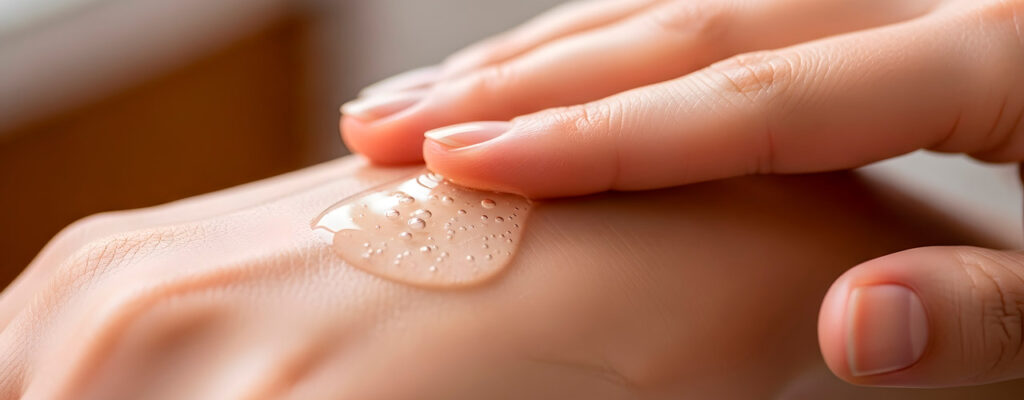
A large proportion of women with infertility problems have a low ovarian reserve. This often has an impact on their response to ovarian stimulation treatments and on their chances of achieving pregnancy if they decide to undergo in vitro fertilization (IVF). For this reason, specialists are investigating various strategies aimed at improving reproductive outcomes. One of these is the administration of testosterone through the skin.
Initial studies suggested a potential beneficial effect of testosterone administration on follicular development and on the action of follicle-stimulating hormone (FSH). However, most of these studies were not conclusive due to limitations in the size of the study population, as well as the lack of agreement regarding the appropriate dose or duration of treatment.
To definitively assess its effectiveness, an international team of researchers, led by Prof. Nikolaos Polyzos, Scientific Director of Dexeus Mujer Group and President of the Dexeus Mujer Foundation, conducted a multicentre, randomized, triple-blind, placebo-controlled clinical trial involving a large sample of patients. A total of 288 women aged between 18 and 43 from different European countries participated in the study. Of the 288 participants, 135 were assigned to the group that received transdermal testosterone (5.5 mg in gel form) once daily for 9 weeks prior to starting ovarian stimulation treatment, and 154 received a placebo. The researchers observed that clinical pregnancy rates did not differ significantly: 15.7% in the testosterone group and 14.9% in the placebo group.
According to the results, the authors conclude that transdermal androgen administration prior to ovarian stimulation treatment does not lead to a significant improvement in reproductive outcomes, and therefore its routine use as an adjuvant treatment in IVF/ICSI cycles is not recommended.
The study involved 10 centers from four European countries (Spain, Switzerland, Belgium, and Denmark), four of which were Spanish: Hospital Universitari Dexeus, Hospital Clínic de Barcelona, Hospital 12 de Octubre, and Hospital Universitario Quirónsalud Madrid. The study has been published in the journal Nature Communications.
Reference article link:
Original article published in Nature Communications