Valeria Donno, Noemie Sachs-Guedj, Marta Devesa, Sandra García-Martinez, Ignacio Rodriguez, Nikolaos P Polyzos. Hum Reprod. 2026 Sep 25:deag142. DOI: 10.1093/humrep/deag142
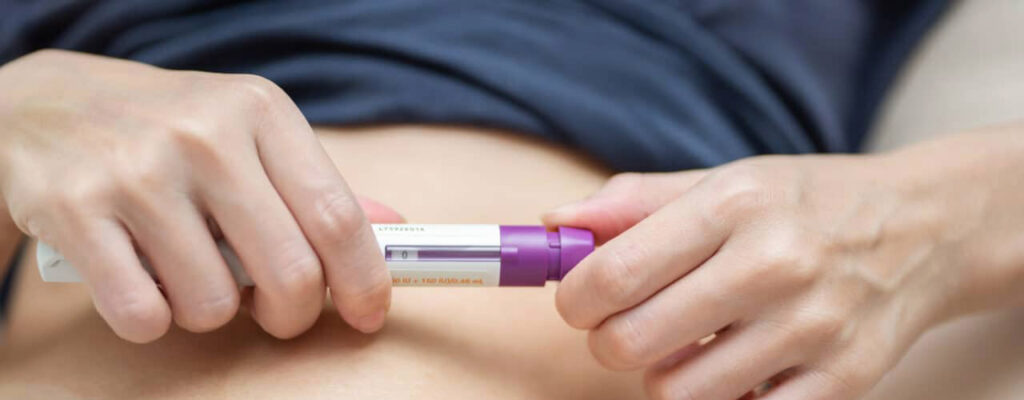
Reducing the number of hormonal injections during ovarian stimulation without compromising outcomes is one of the challenges in improving the patient experience in assisted reproduction. A team of researchers at Dexeus Mujer, led by Dr Valeria Donno, Head of R&D at the Reproductive Medicine Department, has evaluated a new ovarian stimulation protocol based on two sequential administrations of corifollitropin alfa (CFA), a long-acting hormone, as an alternative to the conventional protocol combining CFA with daily doses of recombinant FSH.
The study, a phase III randomised clinical trial, included 194 women under the age of 40 who had decided to preserve their fertility. Participants were divided into two groups. Both groups received a progestin-primed ovarian stimulation (PPOS) protocol to prevent premature ovulation. The primary objective was to compare the number of mature oocytes (MII) retrieved. The results showed an average of approximately 6 oocytes in the study group, compared with 7 in the control group, with no statistically significant differences. However, the predefined statistical criterion for demonstrating the non-inferiority of the new protocol was not met. No significant differences were observed in the duration of stimulation or the number of larger follicles, although FSH levels were higher in the experimental group.
The main scientific interest of the study lies in the possibility of simplifying controlled ovarian stimulation protocols by reducing the number of injections, without statistically significant differences being observed in the number of mature oocytes retrieved. Nevertheless, the findings require confirmation through further studies before the new protocol can be recommended for widespread clinical use. This line of research opens up new possibilities for developing simpler stimulation strategies tailored to patients’ needs.