Search

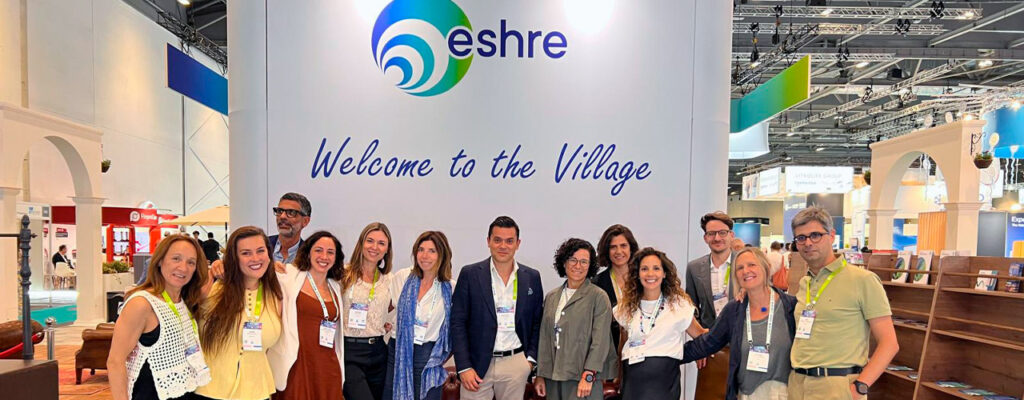
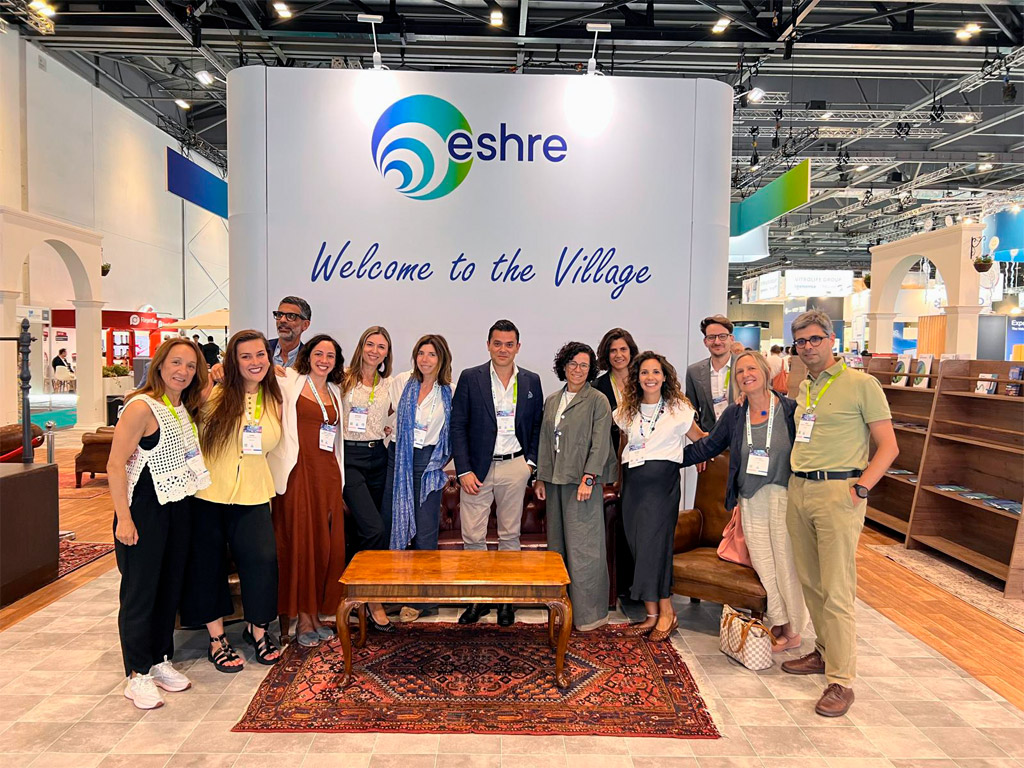
The Reproductive Medicine team at Dexeus Mujer took an active part this week in the 42nd Annual Meeting of the European Society of Human Reproduction and Embryology (ESHRE), the world’s leading scientific congress in reproductive medicine, held in London from 5–8 July.
Throughout the meeting, our specialists chaired scientific sessions and debates, participated in expert panel discussions, and presented lectures and research findings on topics of major clinical and societal relevance. Their contributions focused on improving fertility treatments and streamlining clinical practice, reaffirming Dexeus Mujer’s commitment to innovation and evidence-based medicine.
The studies presented at this year’s congress addressed some of the most relevant issues currently facing both healthcare professionals and people undergoing fertility treatment.
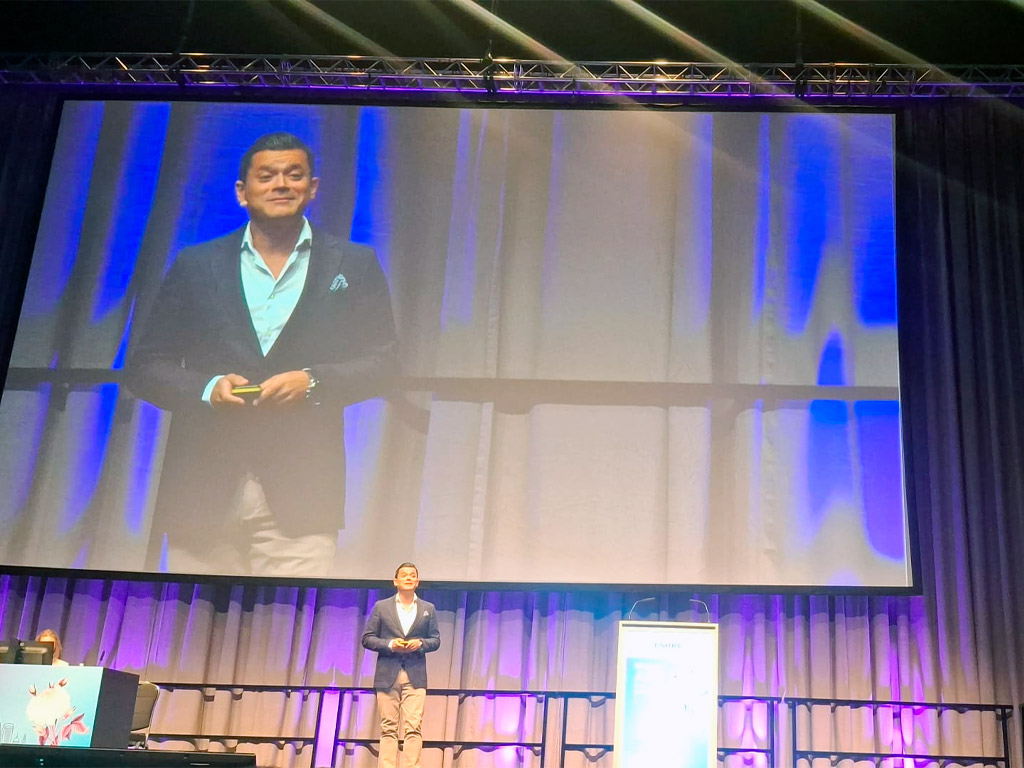
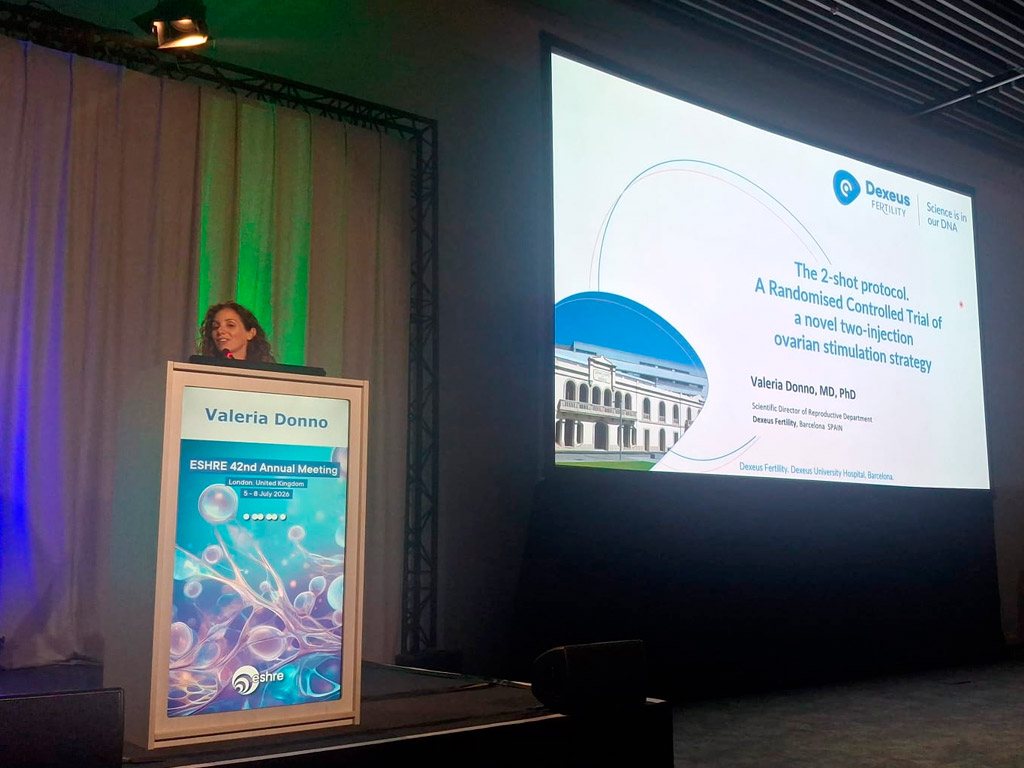
Among the highlights was a randomised controlled trial evaluating a novel ovarian stimulation protocol based on just two injections: “The 2-shot protocol: a randomised controlled trial of a novel two-injection ovarian stimulation strategy”, The study, presented by Dr Valeria Donno , Head of Research and Development at the Dexeus Mujer Reproductive Medicine Department, explores new strategies to simplify ovarian stimulation, making treatment more convenient and patient-friendly without compromising its effectiveness.
The team also presented the findings of a study analysing the reproductive outcomes of almost 2,000 women who underwent elective fertility preservation at Dexeus Mujer between 2012 and 2024. This is one of the largest international studies conducted on this topic, both in terms of patient numbers and duration of follow-up. Entitled “Return rates and cumulative live birth rates following the use of oocytes after elective oocyte cryopreservation. 12 years’ experience”, the study provides new evidence on return rates and concludes that, although elective oocyte cryopreservation cannot guarantee future motherhood, it currently offers women the greatest realistic opportunity of achieving pregnancy with their own eggs after the age of 40, provided that egg freezing is carried out at a younger age, ideally before 36 years. The study was led by Dr Miguel Solé, Head of the Cryopreservation Laboratory at Dexeus Mujer.
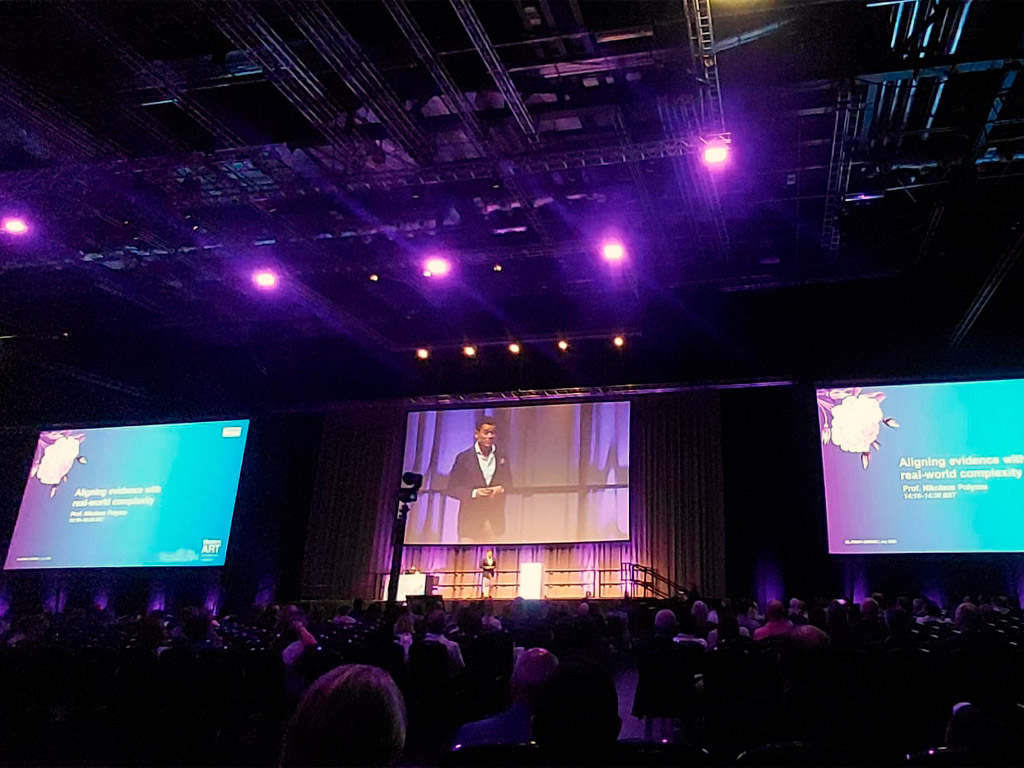
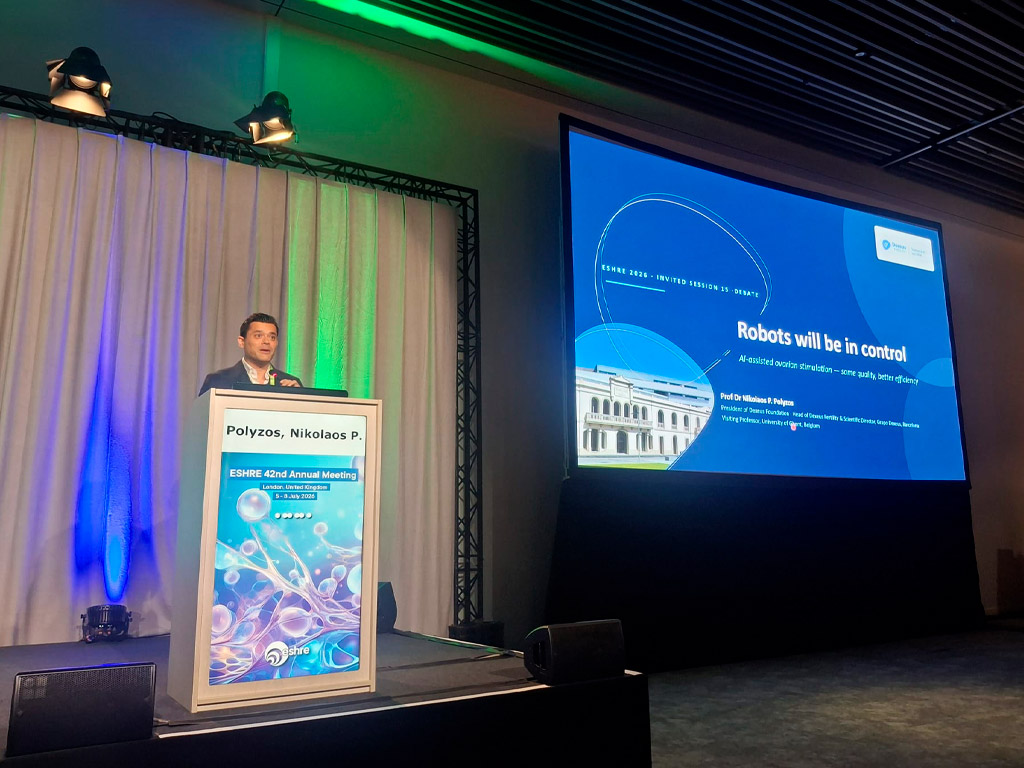
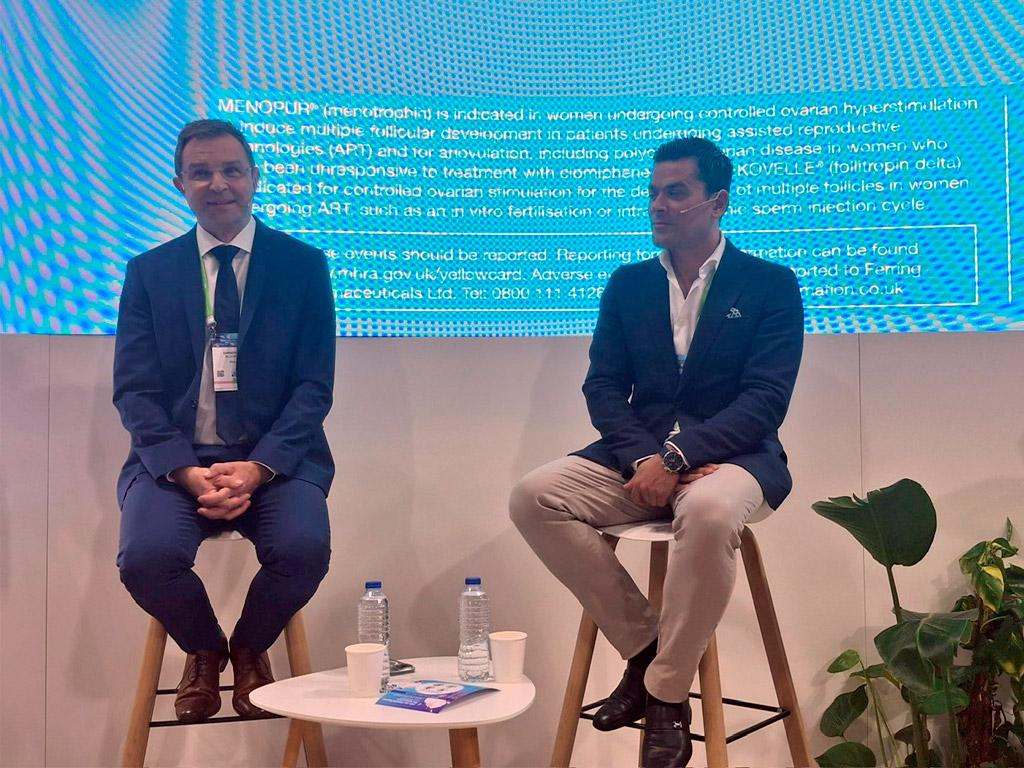
Professor Dr Nikolaos Polyzos, Scientific Director of Dexeus Mujer, also delivered several invited presentations addressing some of the major current challenges in reproductive medicine. His lectures focused on the effectiveness of elective fertility preservation, optimising embryo transfer protocols, translating scientific evidence into clinical practice and exploring the potential of artificial intelligence to improve the monitoring and personalisation of ovarian stimulation treatments.
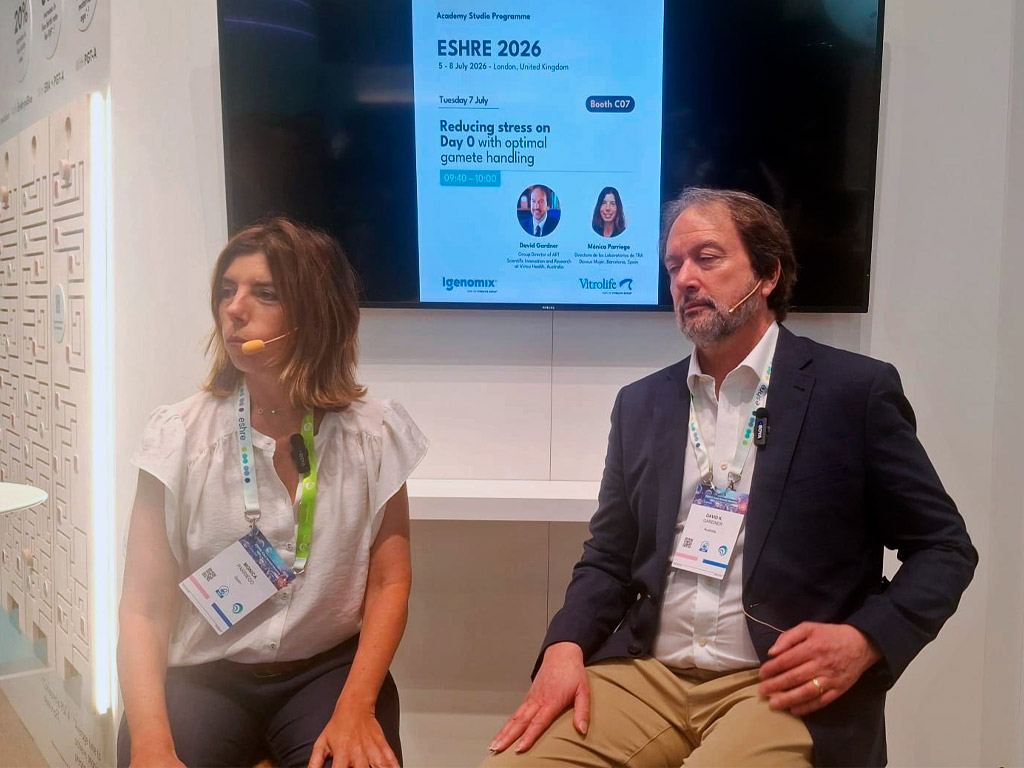
, Dr Mónica Parriego, Head of the Assisted Reproduction Laboratories at Dexeus Mujer, took part in an expert panel discussing strategies to optimise gamete handling during the early stages of the IVF laboratory process, a key factor in preserving gamete quality and improving reproductive outcomes.
In addition to presenting their research, several Dexeus Mujer specialists chaired scientific sessions and moderated expert discussions, contributing to the exchange of knowledge among researchers and clinicians from around the world.
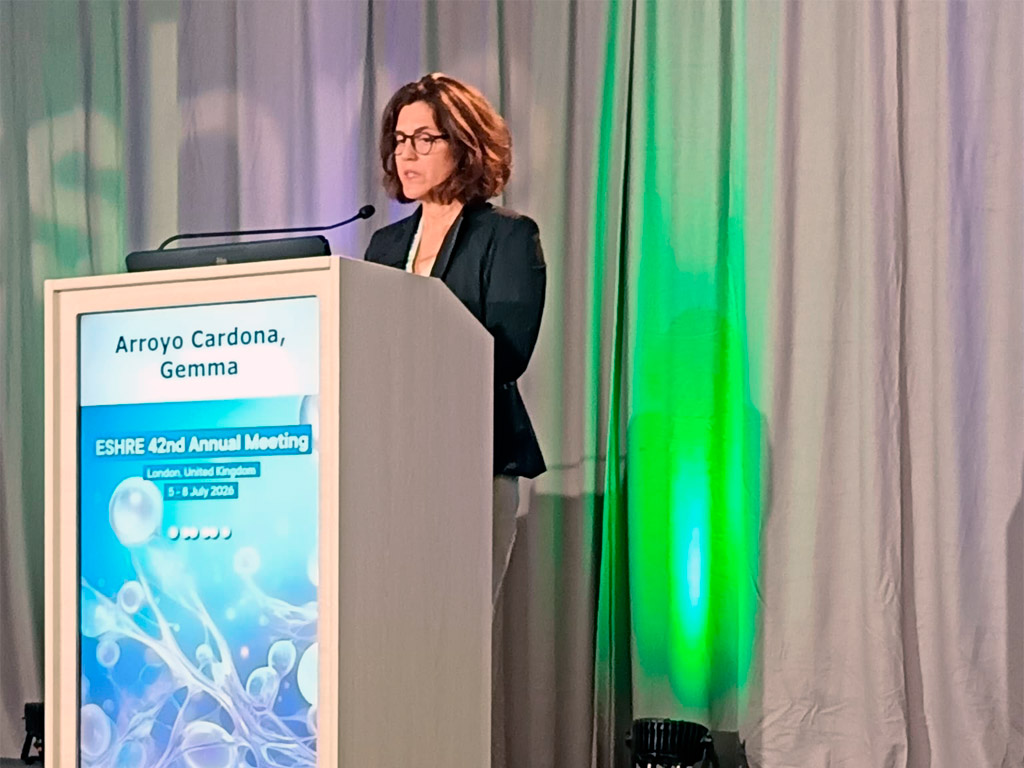
Gemma Arroyo, Senior Embryologist at the Dexeus Mujer IVF Laboratory, chaired sessions exploring topics such as the challenges of changing long-established laboratory practices and the importance of timing in the embryology laboratory.
The Dexeus Mujer team also presented the results of several additional studies in poster format:
The active participation of Dexeus Mujer in the ESHRE Annual Meeting reflects the institution’s ongoing commitment to research, scientific collaboration and international knowledge exchange. Sharing the results of our studies and contributing to the leading scientific forums in reproductive medicine helps drive innovation and ensures that the latest evidence is translated into clinical practice for the benefit of the patients.